
Embossing / Debossing
Sculpt your label in three dimensions — depth and texture a shopper can feel before they read a word.
- CUSTOM CLICHE
- Each emboss/deboss uses a die engraved to your artwork.
- SINGLE OR MULTI-LEVEL
- Flat relief or sculpted, multi-depth detail.
- BLIND OR COMBINED
- Texture alone, or combined with ink, print or foil.
- REGISTRATION
- Precise alignment with foil and print for combo effects.
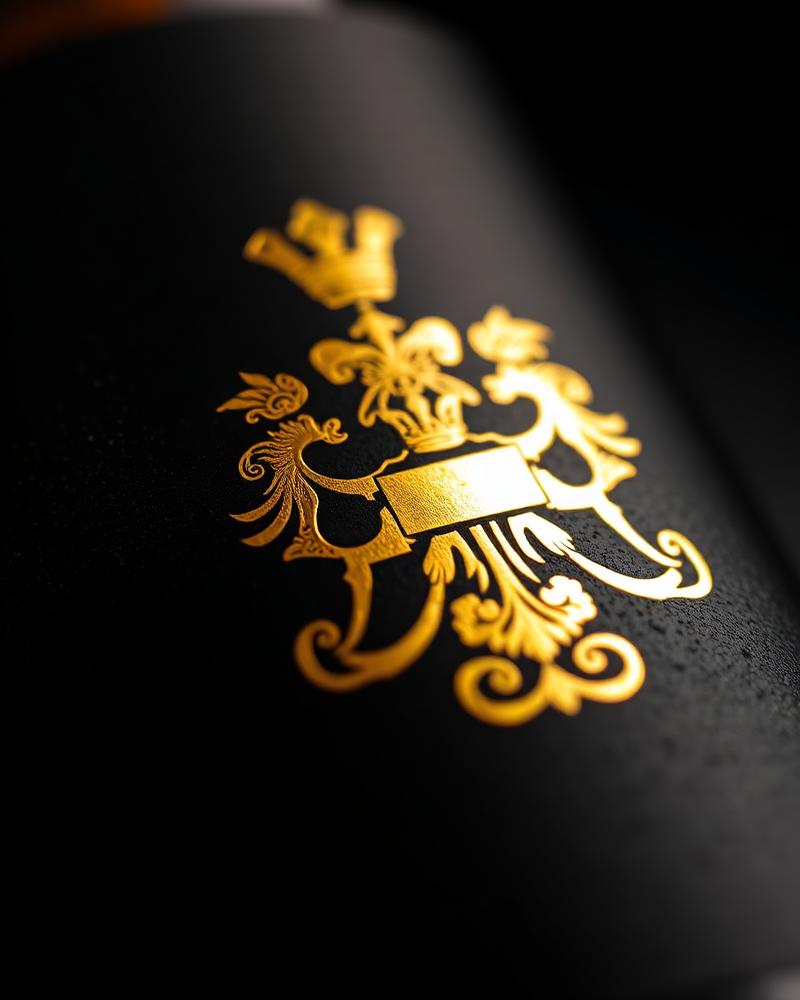
Answer — Engine Summary
Embossing raises a design above the label surface, while debossing presses it below — both created with a custom cliche (die) under pressure. The tactile relief adds depth, perceived value and a sense of craftsmanship that helps premium products stand out on the shelf.
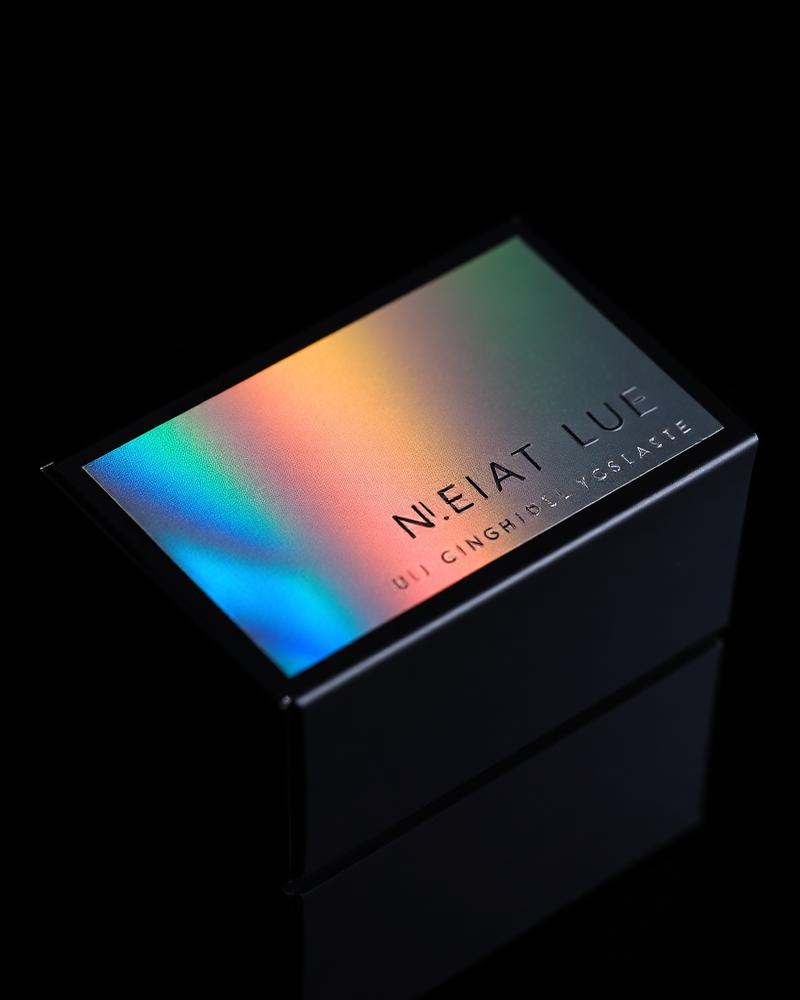
What it is
Embossing pushes selected areas of your label upward to create a raised, three-dimensional relief. Debossing does the reverse, pressing the design into the material for a recessed, tactile imprint.
Both effects use a custom-engraved die (cliche). Embossing reads as bold and luxurious; debossing reads as understated and elegant. A ‘blind’ emboss — with no ink or foil — lets the texture speak entirely for itself.
Why it Matters
- 01
ADDS A TACTILE, THREE-DIMENSIONAL
Adds a tactile, three-dimensional dimension that engages touch as well as sight.
- 02
RAISES THE PERCEIVED
Raises the perceived value and craftsmanship of the product.
- 03
HIGHLIGHTS A LOGO, CREST
Highlights a logo, crest, image or piece of text with subtle sophistication.
- 04
PAIRS POWERFULLY WITH
Pairs powerfully with foil for a sculpted metallic effect.
- 05
WORKS AS A
Works as a blind emboss for an elegant, tone-on-tone luxury look.
Best Suited For
What is the difference between embossing and debossing?
Embossing raises the design above the surface; debossing presses it below. Embossing is bold and eye-catching, while debossing is subtle and understated. Both use a custom die under pressure.
What is blind embossing?
Blind embossing is an emboss with no ink or foil applied — the raised texture alone creates the effect, giving an elegant, tone-on-tone result.
Can embossing be combined with foil?
Yes. A combination (or ‘combo’) emboss applies foil to a raised area, producing a sculpted metallic relief that is among the most premium label effects available.
Begin your brilliant project.
Ready to elevate your brand on the shelf? Request a sample pack and see the foil in person.
Request a Sample pack